Designing Fencing To Match Your Home’s Architecture
The right fence can quietly shape the way a home feels from the street. It frames the property, influences privacy and contributes to the overall visual flow between landscaping and the building itself. When fencing clashes with the style of a home, it often stands out for the wrong reasons. When it complements the architecture, the result feels cohesive and considered without drawing unnecessary attention.
For homeowners exploring fencing in Newcastle, design choices now extend well beyond simple boundary lines. Materials, colours, profiles and finishes can all be tailored to suit different architectural styles, from coastal homes through to contemporary builds and minimalist renovations. Aluminium fencing has become a practical option because it can adapt to a wide range of design preferences while remaining relatively low maintenance in Australian conditions.
Understanding the Relationship Between Architecture & Fencing
A fence works as part of the broader design language of a property. Rooflines, window shapes, exterior cladding and landscaping all influence what type of fencing will feel visually balanced.
Homes with sharp geometric lines often pair well with streamlined fencing profiles, while softer architectural styles may suit more decorative or textured elements. Rather than treating fencing as a separate addition, many homeowners now approach it as part of the overall exterior design plan.
Important architectural elements that often influence fencing selection include:
- Building shape & proportions
- Exterior materials such as timber, render or brick
- Colour palette
- Landscaping style
- Visibility from the street
- Natural light & airflow considerations
Custom aluminium fabrication allows for flexibility across these elements without heavily restricting design options.
Matching Fence Profiles to Modern Homes
Modern homes often feature clean lines, open facades and simplified colour palettes. In these settings, fencing usually works best when it supports the architectural shape instead of competing with it visually.
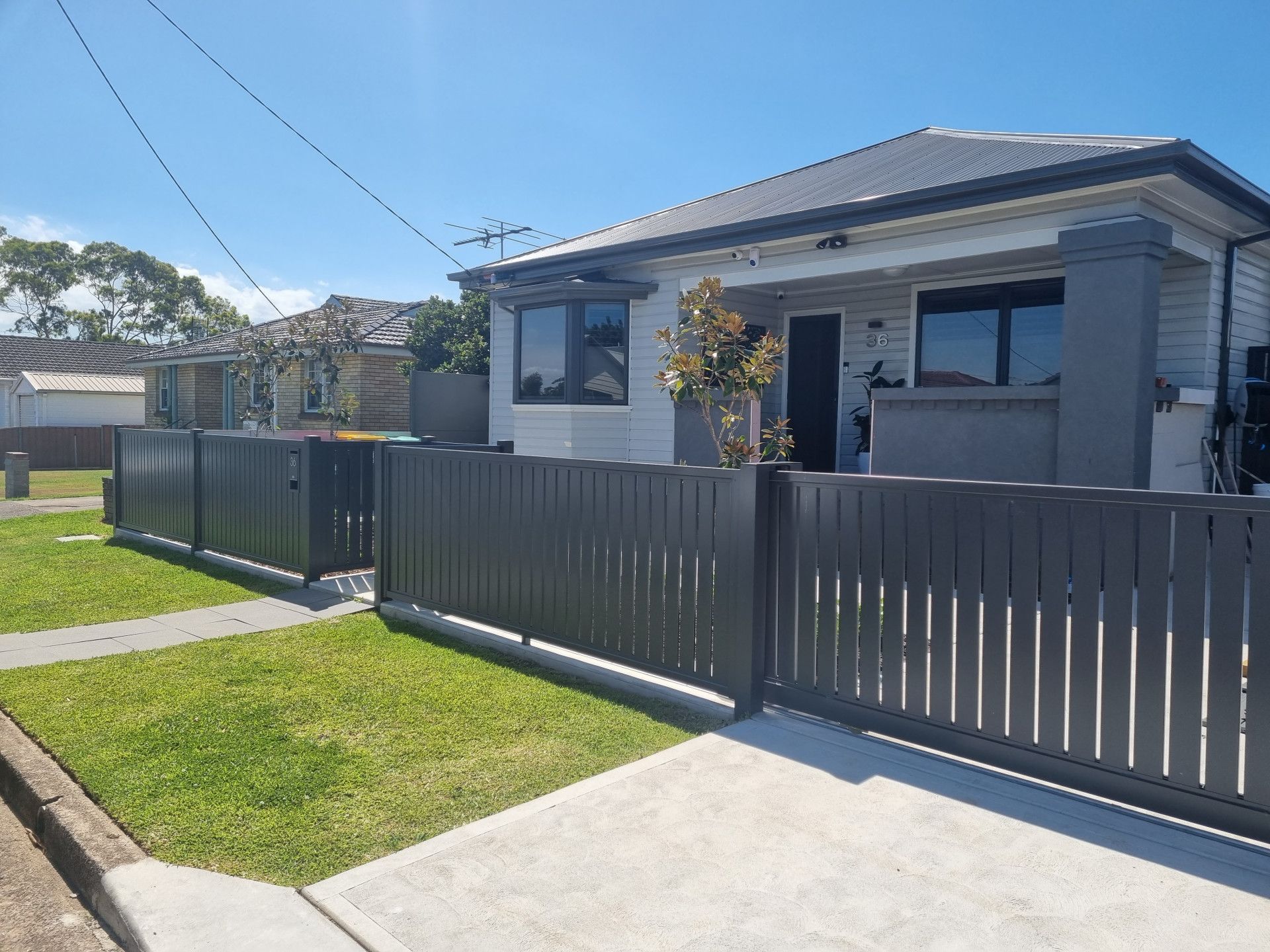
Flat-top aluminium slat fencing is commonly selected for modern properties because it creates a structured appearance while maintaining a relatively uncluttered finish. Wider slats and evenly spaced profiles can also help reinforce the linear features often seen in contemporary residential design.
Design features commonly used with modern homes include:
- Horizontal slat fencing
- Minimal decorative detailing
- Matte or textured powder-coated finishes
- Neutral colours such as black, charcoal or monument
- Integrated pedestrian & driveway gates
Aluminium fencing can also accommodate varying heights and privacy requirements without disrupting the overall design consistency across the property.
Selecting Fencing for Coastal-Style Properties
Coastal homes tend to prioritise openness, airflow and connection to outdoor areas. Heavy fencing materials can sometimes feel visually restrictive in these environments, particularly when paired with lighter architectural finishes.
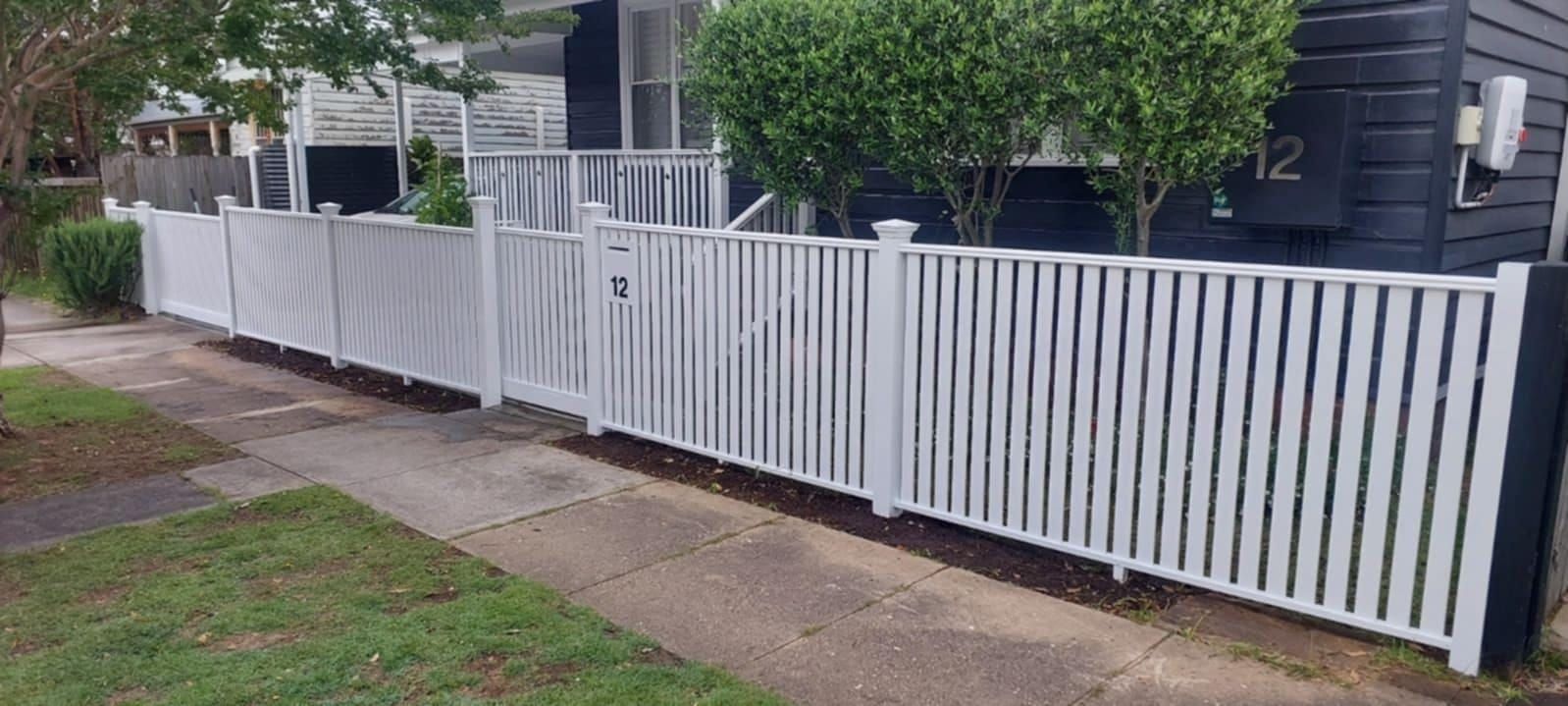
Lighter fencing colours and open-profile designs are often better suited to coastal-inspired homes. Aluminium performs well in these settings because it does not carry the same corrosion concerns associated with some other materials in salt-exposed environments.
Common design considerations for coastal fencing include:
- Airflow between outdoor spaces
- Visibility through fencing sections
- Lighter powder-coated finishes
- Vertical batten profiles
- Simpler gate designs
Many coastal-style homes also incorporate landscaping heavily into the front façade. Fence designs that allow plants and greenery to remain visible can help maintain the relaxed character often associated with this architectural style.
Using Colour to Complement Exterior Finishes
Fence colour has a strong influence on how connected the exterior of a property feels. A poorly matched colour can visually separate the fence from the home, while a coordinated palette can help tie the design together more naturally.
Rather than matching colours exactly, many homeowners choose complementary tones that align with existing exterior materials. Aluminium fencing offers flexibility through powder-coated finishes available in a wide range of colours and textures.
Popular approaches include:
- Matching fencing to window frames or roofing
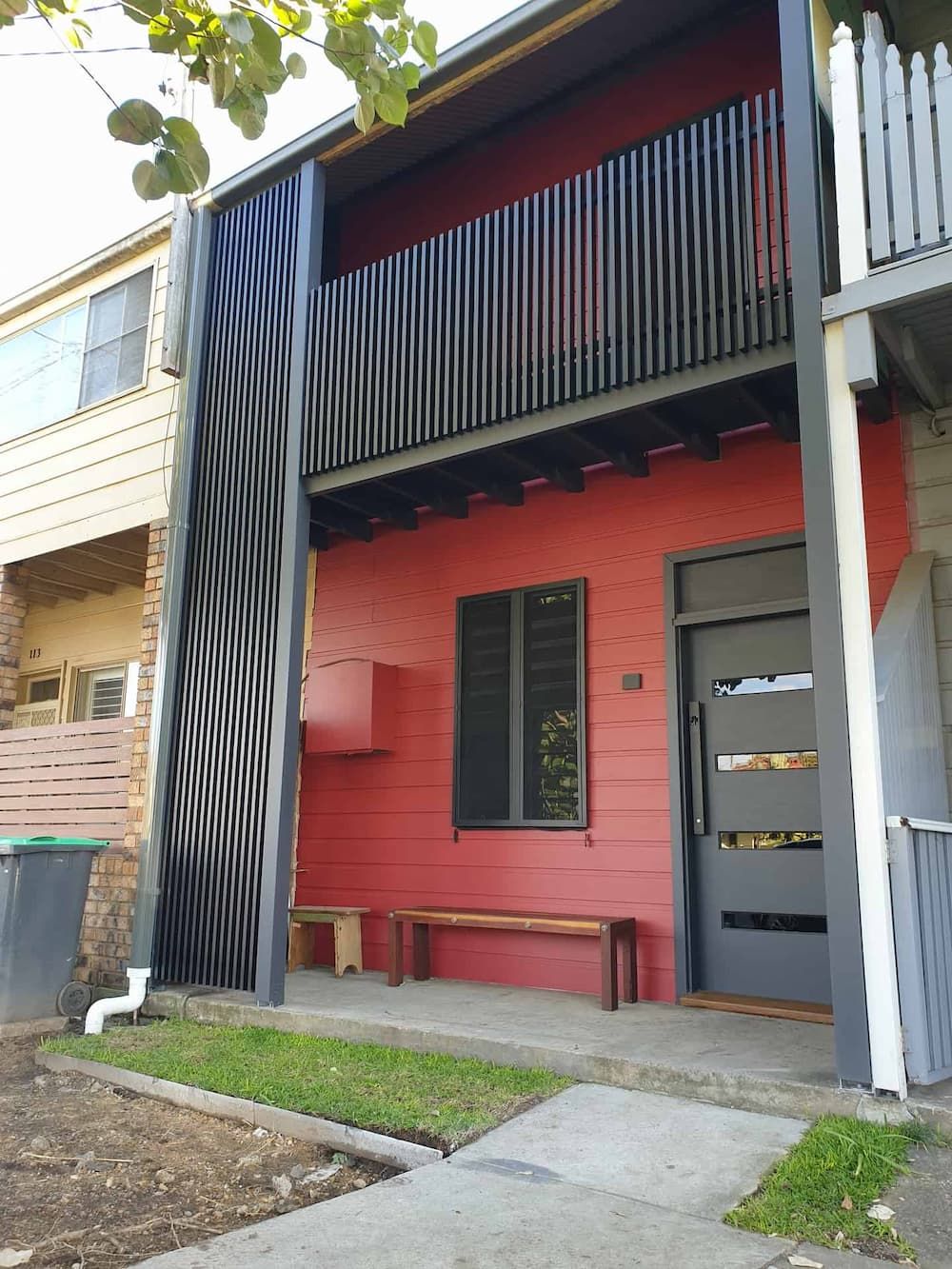
- Contrasting darker fencing against lighter façades
- Using muted tones for softer architectural styles
- Selecting textured finishes for added depth
- Coordinating gates with garage doors or entry features
Lighting conditions also affect how colours appear throughout the day, particularly on larger fence sections exposed to direct sunlight.
Balancing Privacy with Visual Appeal
Privacy remains one of the most practical reasons homeowners install fencing, although fully enclosed designs are not always suitable for every architectural style.
Modern fencing layouts often combine private sections with more open areas to create balance across the property. This can prevent the frontage from appearing overly enclosed while still maintaining functional screening where needed.
Different approaches may include:
- Solid side boundary fencing paired with open front fencing
- Adjustable slat spacing
- Layered landscaping for additional screening
- Mixed materials across different sections
- Partial screening around entertaining spaces
The surrounding streetscape can also influence design decisions, particularly in residential areas where fencing contributes significantly to overall neighbourhood appearance.
Incorporating Gates into the Overall Design
Gates are often one of the first features people notice when approaching a property. If gate styles differ significantly from the surrounding fencing or architecture, the visual flow of the exterior can feel interrupted.
Integrated gate systems are commonly designed to mirror the same slat spacing, colours and profiles used throughout the fence line. This helps create continuity without introducing unnecessary visual variation.
Features often considered in custom gate design include:
- Sliding or swing gate configurations
- Pedestrian access points
- Automation compatibility
- Visibility & privacy balance
- Hardware finishes & handle styles
For larger homes, wider driveway gates can also influence how prominent the fencing appears from the street.
Considering Landscaping Alongside Fence Design
Fencing rarely exists in isolation. Plants, paving, retaining walls and outdoor structures all contribute to how the final result feels within the property.
Some fence styles are intentionally selected to act as a subtle backdrop for landscaping, while others become stronger architectural features themselves. Aluminium fencing can accommodate both approaches depending on profile selection and finish.
Landscaping considerations often include:
- Plant growth around fence lines
- Retaining visibility of gardens
- Coordinating fencing with paving materials
- Shadow patterns created by slat spacing
- Integration with outdoor lighting
Spacing and profile orientation can also affect how natural light moves through outdoor areas during different parts of the day.
Choosing Materials that Suit Long-Term Use
Appearance is only one part of fencing selection. Material performance, maintenance requirements and environmental exposure all influence long-term suitability.
Aluminium fencing is commonly used across residential properties because it can support a wide range of architectural styles while requiring relatively straightforward upkeep. Powder-coated finishes also provide flexibility across colour and texture selections without relying on regular repainting.
Factors homeowners often consider include:
- Exposure to coastal conditions
- Cleaning requirements
- Weight & structural support
- Compatibility with automated gates
- Longevity of powder-coated finishes
The architectural style of a home may evolve over time through landscaping updates or exterior renovations, so adaptable fencing materials can offer greater flexibility for future changes.
Creating a Cohesive Exterior Design
Well-designed fencing contributes to the broader visual identity of a property rather than functioning solely as a boundary. When profiles, materials and colours are selected with the architecture in mind, the result tends to feel more balanced and integrated.
For homeowners researching fencing in Newcastle, tailoring fence design to suit the home’s architectural style can help create a more cohesive street presence while supporting practical requirements such as privacy, access and durability.
At Civico Manufacturing Co Pty Ltd, we work with homeowners across Newcastle to create aluminium fencing solutions that suit a wide range of architectural styles and outdoor environments. If you are planning a new fence or updating an existing frontage, contact our team to discuss custom fencing and gate options suited to your property.